German Courses
Learn German. Settle In. Move Forward Professionally.
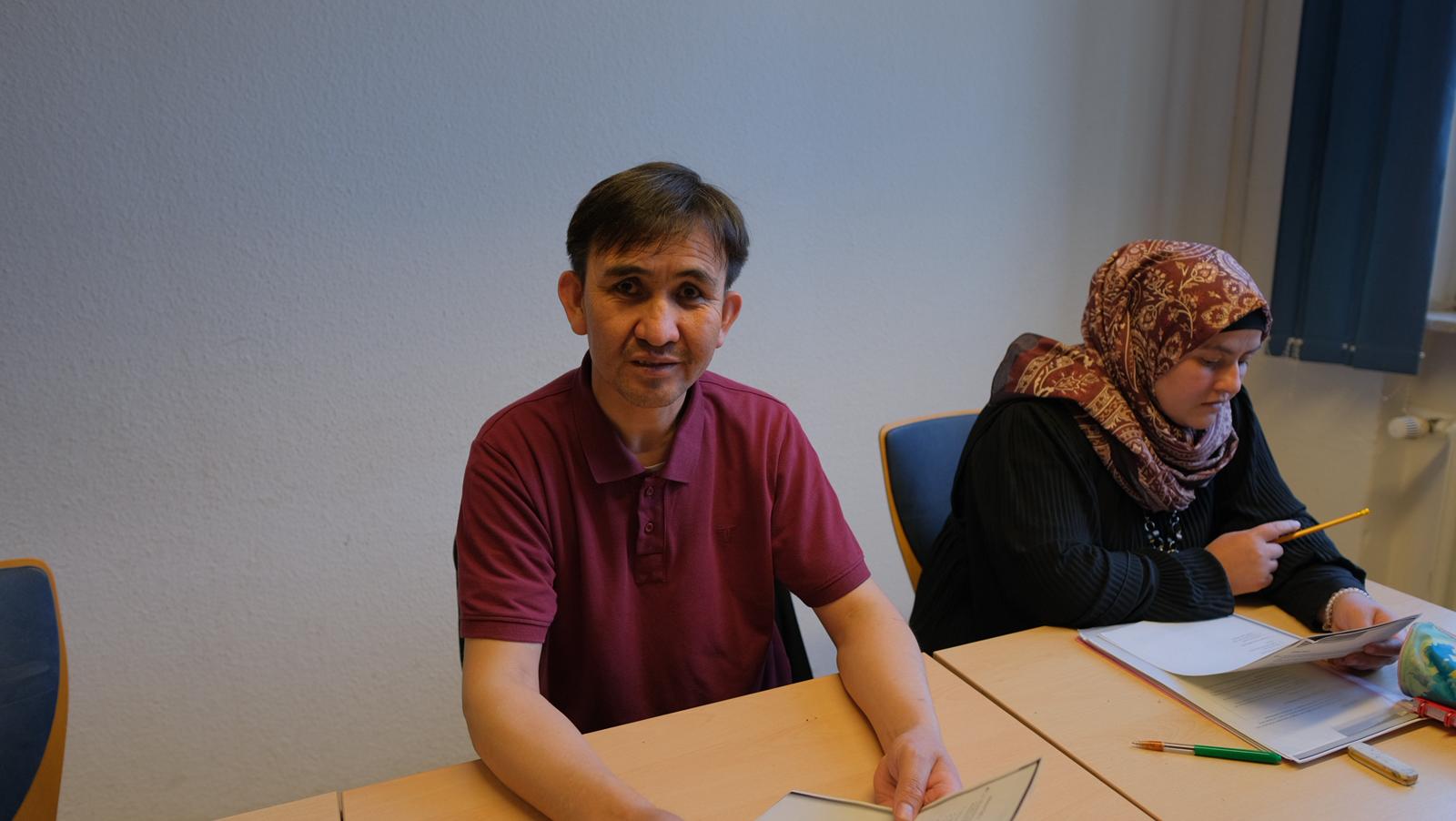
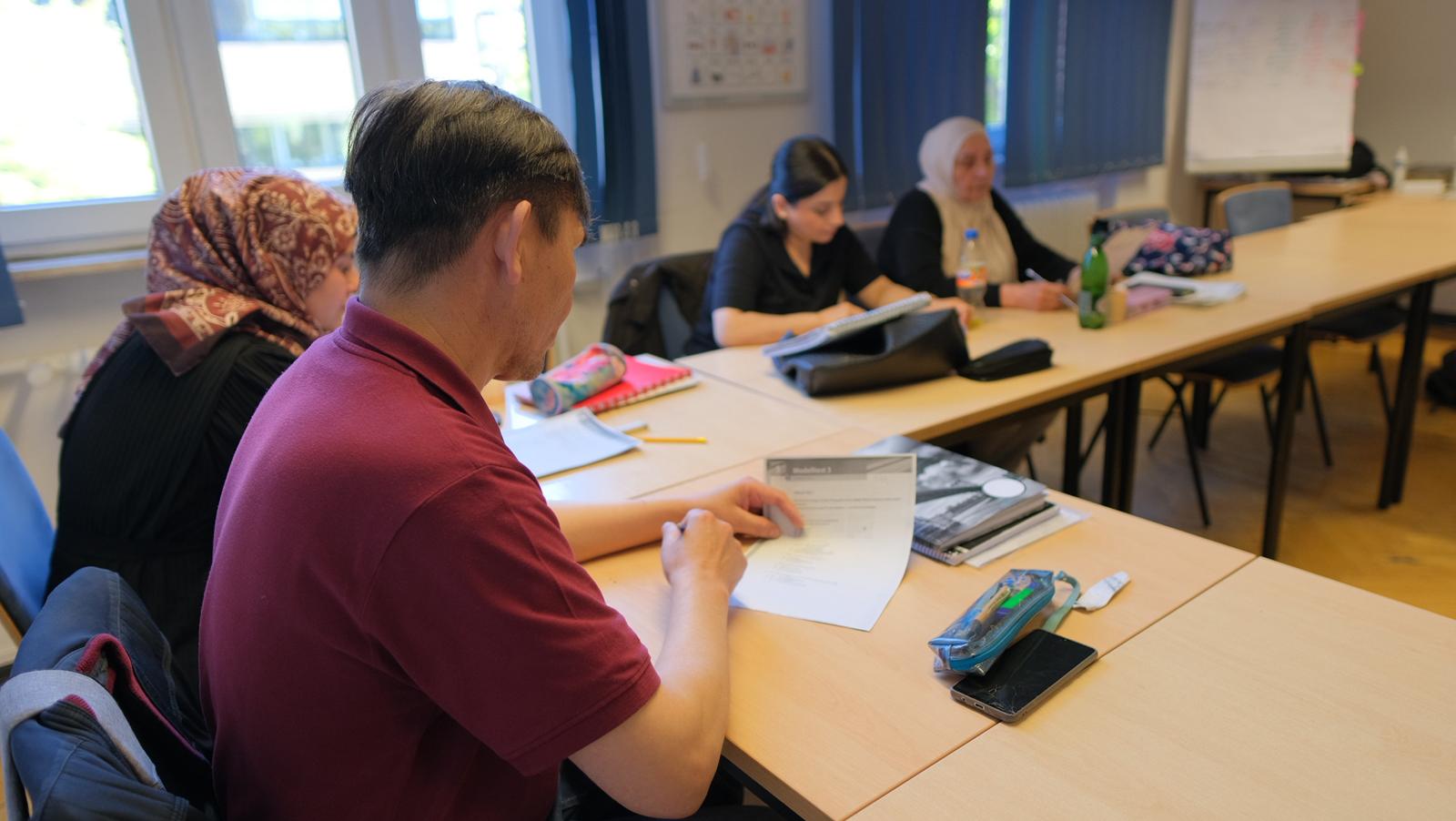
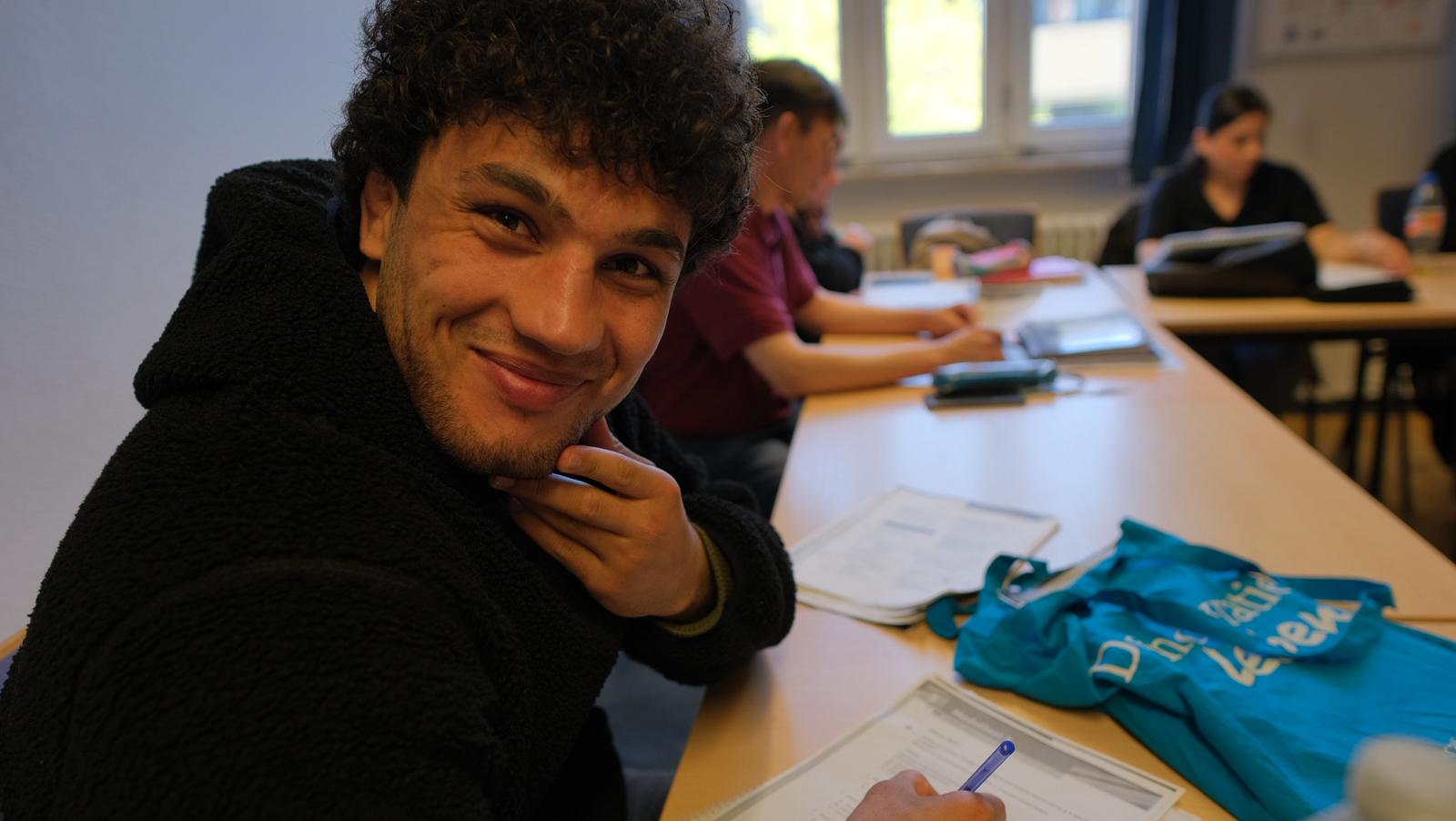
At Sprachhafen, you learn German in a practical, personal and goal-oriented way. Whether you need German for everyday life, living in Germany, vocational training, your career or an examination, we support you throughout your language-learning journey.
Our course programme includes general German courses and will in future be expanded to include integration courses and job-related German language courses.
.jpeg)
General German Courses
Our German courses for adults combine structured language training with modern, communicative teaching methods. The focus is on actively using the German language.
You will practise, among other things:
- Speaking and understanding German in everyday life
- Vocabulary and grammar
- Reading and writing
- Communication in typical everyday situations
- Conversations, discussions and role plays
- Developing confidence in German for work, vocational training and university studies
Through varied exercises and practical learning situations, you will gradually become more confident in using the German language.
Integration Courses
Sprachhafen is expanding its programme and plans to offer integration courses funded by the Federal Office for Migration and Refugees (BAMF) in the future.
Integration courses support immigrants in developing their German language skills and becoming more confident in everyday life and in participating in society in Germany.
How is an Integration Course Structured?
The general integration course consists of two parts:
During the language course, you learn German for important situations in everyday life. Topics include, for example:
- Work and employment
- Housing
- Shopping
- Health
- School and family
- Public authorities and official services
- Mobility and transport
- Social contacts and leisure activities
The usual aim of the language course is to achieve CEFR level B1.
The orientation course covers topics including:
- Germany's legal system
- History and society
- Democracy and the political system
- Rights and responsibilities
- Culture and living together
- Important values in German society
Placement Assessment
Before starting an integration course, you will take a placement assessment. This determines which section of the course best matches your existing German language skills.
This allows you to begin at the language level that is most suitable for you.
Examinations
The language course concludes with the German Test for Immigrants (Deutsch-Test für Zuwanderer – DTZ).
The orientation course concludes with the "Life in Germany" (Leben in Deutschland – LiD) test.
If you achieve the required results in both examinations, you may receive the "Integration Course Certificate" (Zertifikat Integrationskurs).
Who Can Participate?
Whether you are eligible to participate in a funded integration course depends on your individual circumstances.
Authorization or an obligation to participate may, for example, be issued by the BAMF, your responsible immigration authority, or the Jobcenter.
We will be happy to advise you once registration for our integration courses opens.
Job-Related German Language Courses
German for Vocational Training and Employment
Good German language skills are an important requirement for successfully entering vocational training and the labour market.
Sprachhafen therefore plans to offer job-related German language courses as part of Germany's vocational German language support programme.
These courses are designed for people who want to improve their German specifically for working life.
During the course, you will practise, for example:
- Communication in the workplace
- Conversations with colleagues and supervisors
- Job-specific vocabulary
- Written communication and emails
- Telephone calls and customer conversations
- Understanding work instructions and specialist texts
- Communication during vocational training and further qualification
- Language skills required during the application process
Depending on the type of course, different language levels and professional specialisations may be offered.
Who Can Participate in a Job-Related German Language Course?
Participation in a funded job-related German language course generally requires a valid authorization or obligation to participate.
Depending on your individual circumstances, this may be issued, for example, by the Jobcenter, the Federal Employment Agency (Agentur für Arbeit) or the BAMF.
We will publish information about the courses available at Sprachhafen and the respective participation requirements in good time before each course begins.
Advice & Registration
Personal Advice
Are you unsure which German course is right for you?
We will be happy to help you choose the most suitable course and provide information about:
Registration for Integration and Job-Related German Courses
Registration will open in good time before our first courses begin.
Information about the registration procedure, consultation appointments and required documents will be published here.
Depending on the type of course, you should be prepared to provide the following documents for registration:
- A valid identity document or residence permit
- The original authorization or obligation to participate in the course
- Current language certificates, if applicable
- Documents relating to exemption from course fees, if applicable
Opening and Consultation Hours
Our consultation, registration and opening hours will be published here before our courses begin.
Opening Hours: To be announced shortly
Advice and Registration: Consultation appointments and walk-in consultation hours will be announced shortly
Language connects. Language creates opportunities.
We aim not only to support people in learning German, but also to accompany them on their journey through everyday life, society, vocational training and employment.